

DURHAM, N.C. — Many adults are trying to make healthier food choices while navigating a confusing mix of advice from doctors, social media, marketing, and…

By Kate Pickford – More than 80 faculty and students from diverse academic backgrounds, community food organizations, foundations, and businesses convened on January 23, 2026 to debate the challenges of solving household food waste as part of the Rethinking Food Waste event. This symposium is hosted by Duke University’s World Food Policy Center at the Sanford School of Public Policy. The series is funded by a gift from The Duke Endowment in support of the Duke Climate Commitment, which unites the university’s education, research, operations, and public service missions to address climate challenges. The Nicholas Institute for Energy, Environment & Sustainability manages the symposia series.

On Thursday, February 12, 2026, the World Food Policy Center is pleased to host a lecture by Amy Beros, CEO & President of the Food Bank of Central and Eastern North Carolina. The event will be held at 4:30 pm in Sanford Bldg. classroom 05.
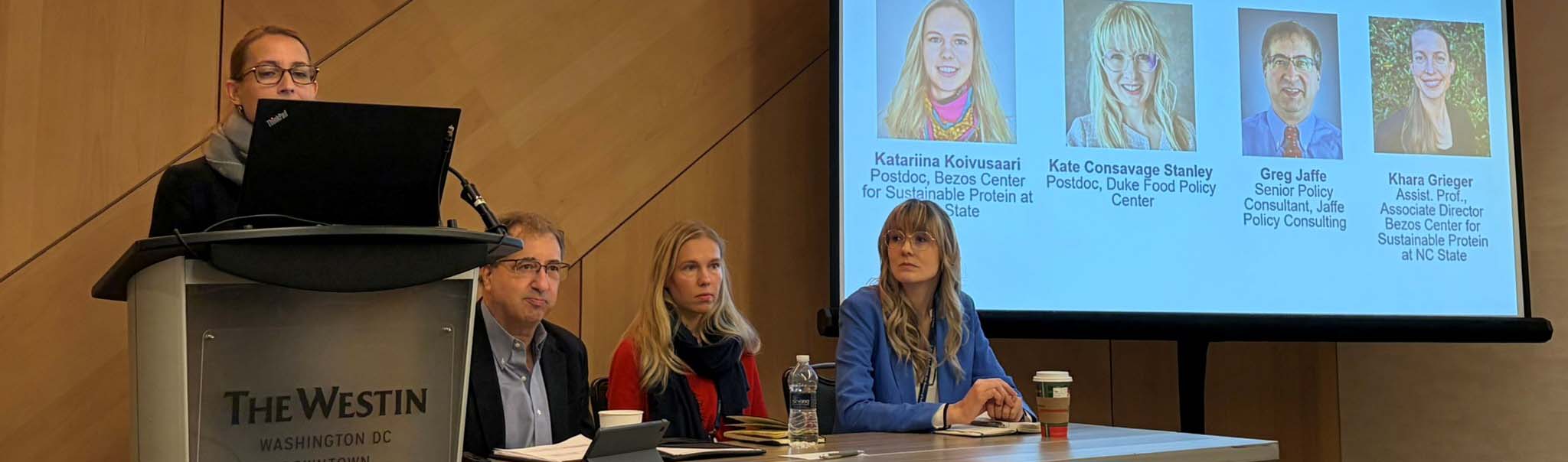
At the Global Forum for Plant-Based and Alternative Proteins, Duke’s Kate Stanley contributed to a panel titled “Consumer Perceptions of Future Foods” where she discussed the current consumer base for alternative proteins, opportunities for the sector to meet consumers’ wants and needs in both the short- and long-terms, the importance of considering cultural foodways, and how the term “future foods” may invoke different meanings among those engaged with diverse aspects of the food system.

In December 2025, Duke’s Kate Stanley presented at the Society for Risk Analysis. She was part of a roundtable titled “Balancing Innovation and Oversight of Alternative Proteins” where she shared findings from stakeholder interviews on the policy-relevant challenges and opportunities for the alternative protein sector and their vision for the role of alternative proteins in the future food system.

When we shop for groceries online, every click tells a story, and Norbert Wilson wants to know who’s listening, recording, and retelling that tale. As Director of the World Food Policy Center and Professor of Food, Economics, and Community at Duke University, Norbert Wilson is exploring how technology and policy shape our most basic choices.

Norbert Wilson will join a powerhouse lineup of thought leaders in policy, academia, nonprofit advocacy, and youth activism for a featured panel on school food reform at SXSW EDU® 2026, one of the world’s leading platforms for bold ideas shaping the future of education.
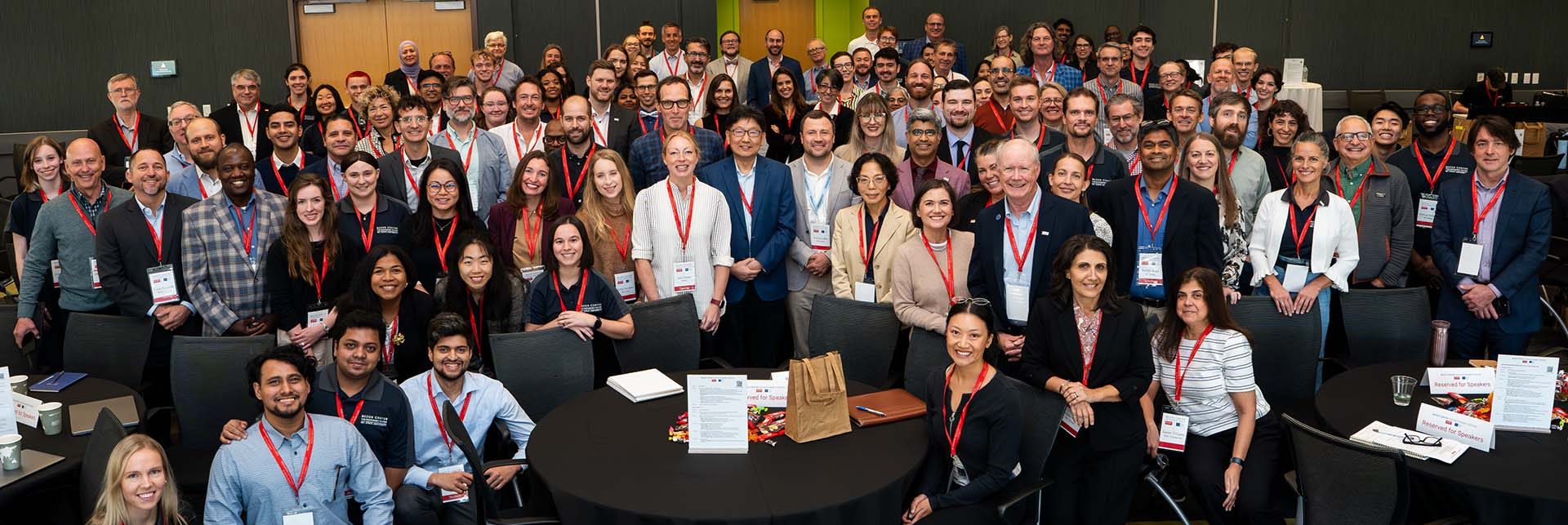
Raleigh, NC – Duke’s World Food Policy Center (WFPC) presented policy research and moderated a panel discussion on sustainable protein policy and regulation at the Bezos Center Summit held October 16-17, 2025, on the North Carolina State University campus. The event featured talks, panels, and posters from researchers, students, and alternative protein (AP) companies affiliated with the Bezos Center. Sessions included a focus on commercialization, technology innovations, scaling AP manufacturing, workforce development, outreach, and policy and regulation.

Original release by BMJ Group – Calorie labelling, which became law in April 2022 in England, is associated with only a small (2%) average reduction in the energy content of food that is available away from home, finds research published in the open access journal BMJ Public Health.

In a new article “Food Waste, Date Labels, and Risk Preferences: An Experimental Exploration” published in the Applied Economic Perspectives & Policy Norbert Wilson from Duke University, and Ruiqing Miao from Auburn University look at how consumers change their premediated food waste and willingness to pay (WTP) when they see a simple date label that indicates quality (“Best by”) versus one that signals safety (“Use by”).