
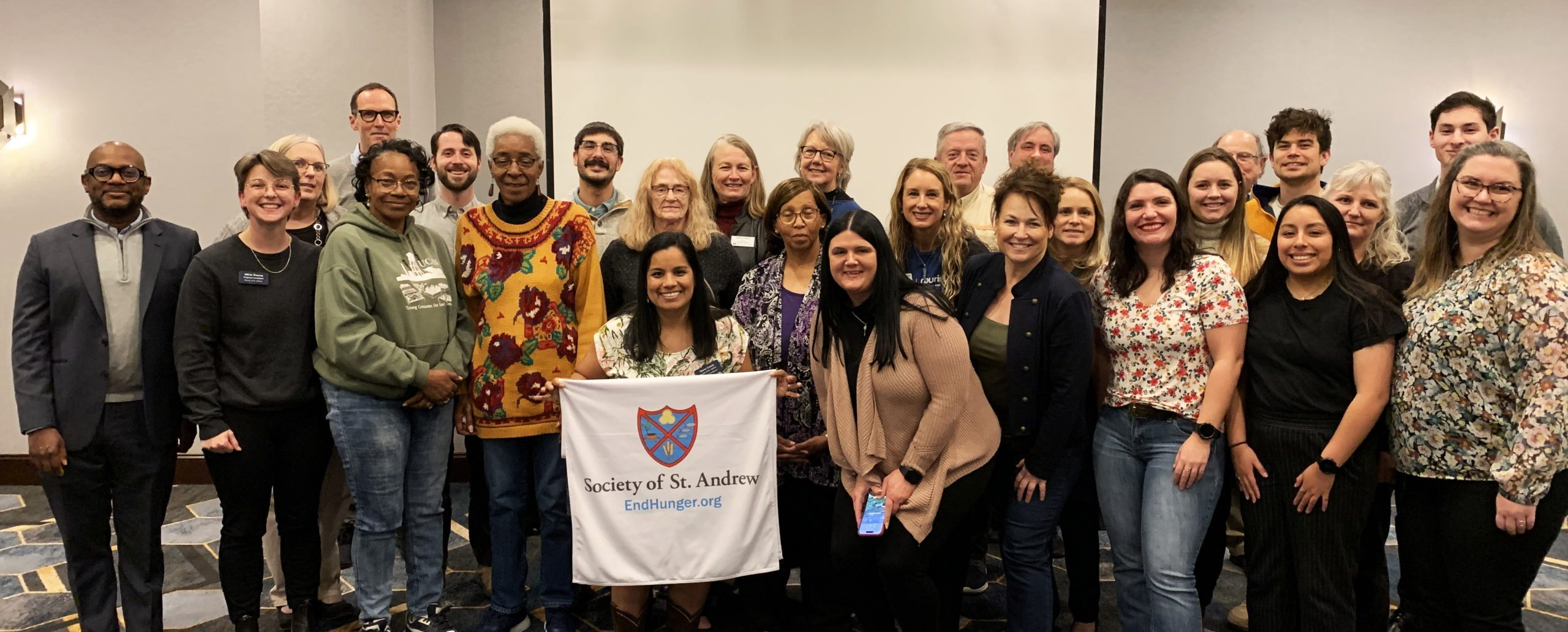
Farmers have few options when a produce crop doesn’t sell, or the harvesting cost means there won’t be a profit. Sanford’s World Food Policy Center (WFPC) and the Society of St. Andrew hosted a stakeholder workshop to explore strategies for encouraging North Carolina farmers to donate such crops through gleaning. The workshop, held on Feb. 9 in the Research Triangle Park, included farmers, extension agents, food bank representatives, philanthropic foundations, and researchers.
Read More
This project started with a question: Can we feed this growing world without starving the planet? A team of AP journalists explored this with a group of experts brought together in 2022, trying to learn more about how food production affects the climate and environment and how that could change in the future.
Read More
The World Food Policy Center is delighted to announce that Amanda Wood from the Stockholm Resilience Centre at Stockholm University will be in residence as a visiting researcher with the center from fall 2023 through fall 2024.
Read More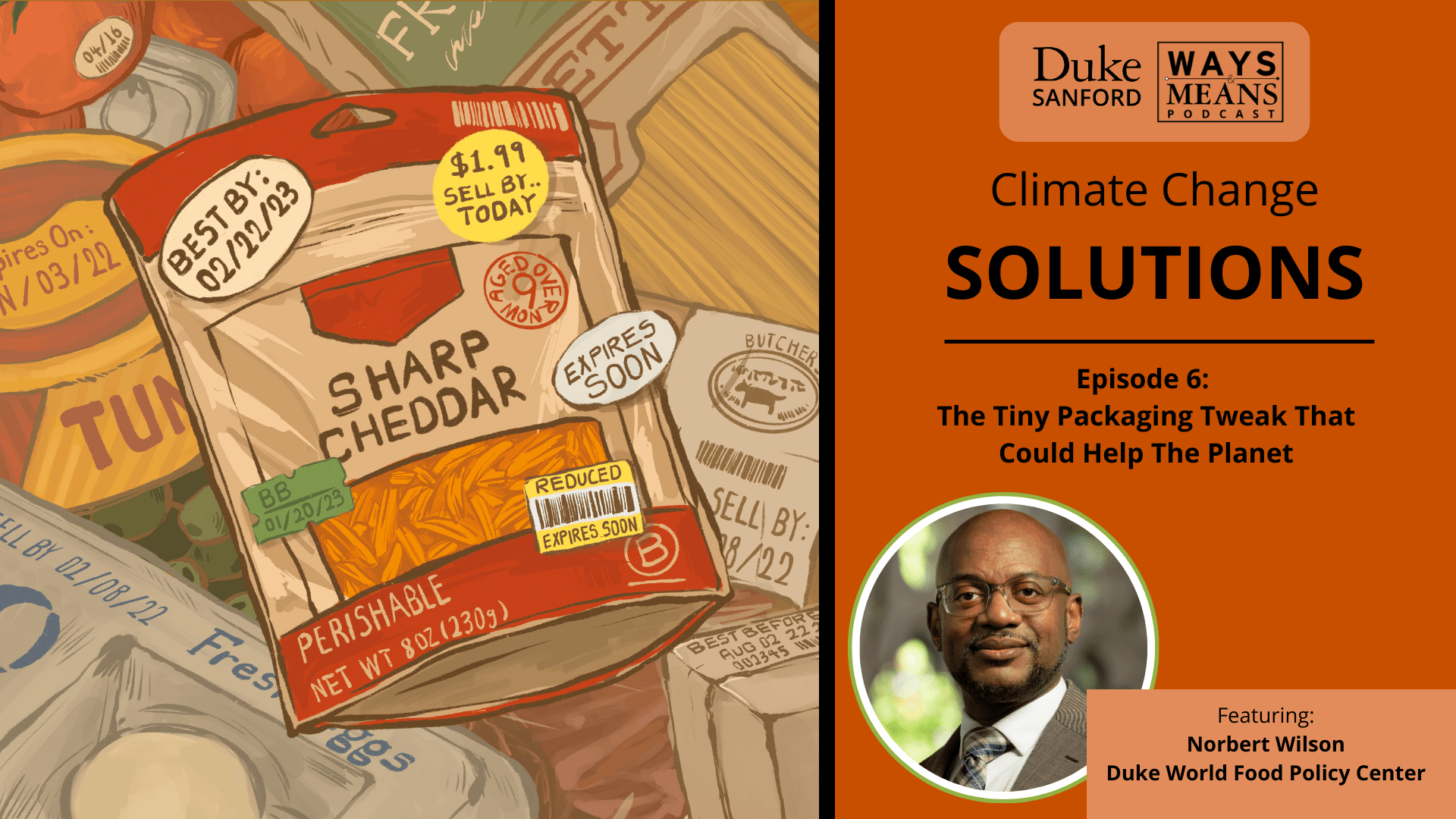
In this episode of the Ways & Means podcast: kicking America’s multi-billion-dollar food waste habit. How tons of wasted food contribute to climate change, and how one simple change – better food date labels – just might help make a dent in the problem.
Read More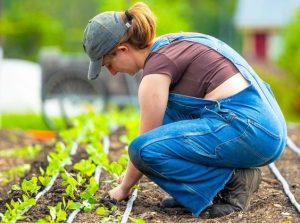
Duke experts share how a key piece of legislation may affect climate change
Read More
On Sept. 27, 2023 Duke’s Norbert Wilson and Replate’s Katie Marchini will discuss how we got to our current food waste reality. This lecture is part of the Friedman School Speaker Series at Tufts University
Read More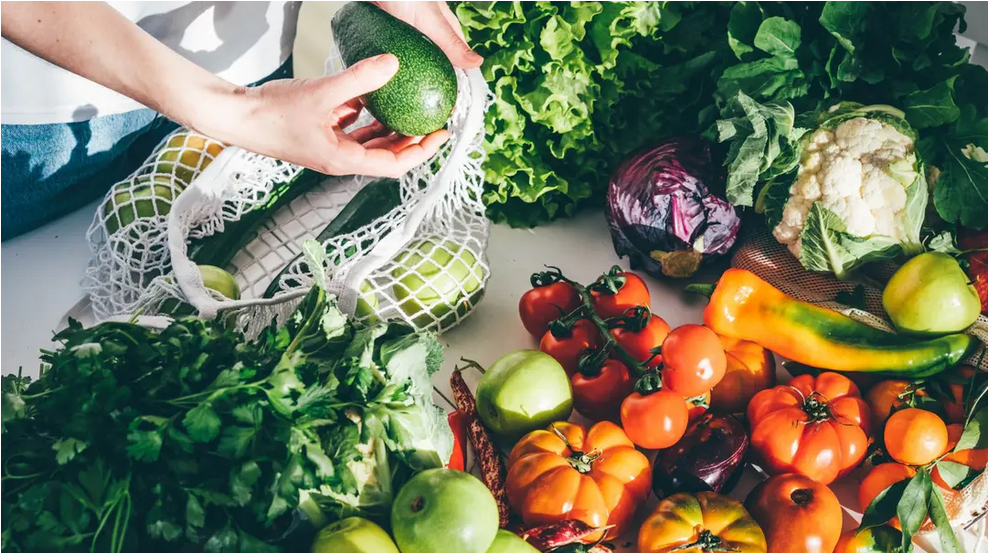
The proposed megamerger could raise grocery prices. Reduced competition could also mean lower payments for locally grown crops.
Read More
Duke in DC hosts the Climate and Sustainability Summer Institute Professionals interested in climate and sustainability policy recently did a Duke-led deep dive into issues…
Read More
Duke WFPC hiring a project planner, posted July 28, 2023.
Read More
This conversation will cover Supplemental Nutrition Assistance Programs, notably SNAP and WIC, which made up roughly 80% of the 2018 Farm Bill’s funding allocation. Buoyed by additional temporary funding through the pandemic, many nutrition assistance program recipients are facing smaller amounts of support in the coming months. As Congress considers reauthorization of the Farm Bill, experts from Duke and Syracuse will share insights from their research on potential changes to these programs, which could make them more efficient as well as reduce the food insecurity and food resource gap between White, Black and Hispanic demographic groups.
Read More